

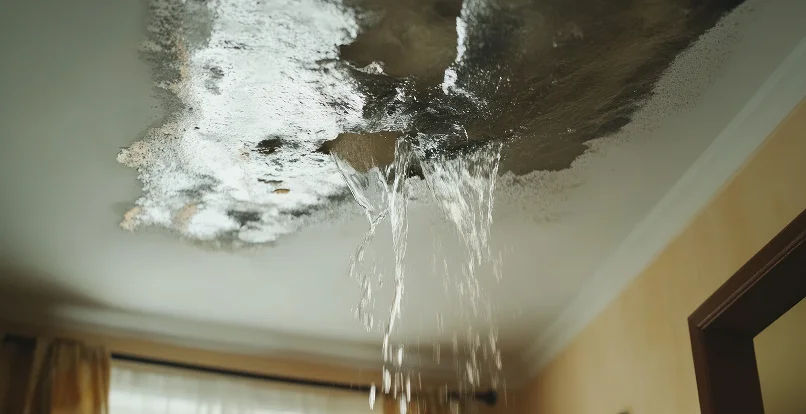
Water damage moves fast, and in this humid climate, it doesn’t take long before a small leak becomes a structural disaster. Acting within the first 24 hours is the difference between a fast recovery and months of mold remediation costs. This guide walks you through every step you need to take right now.
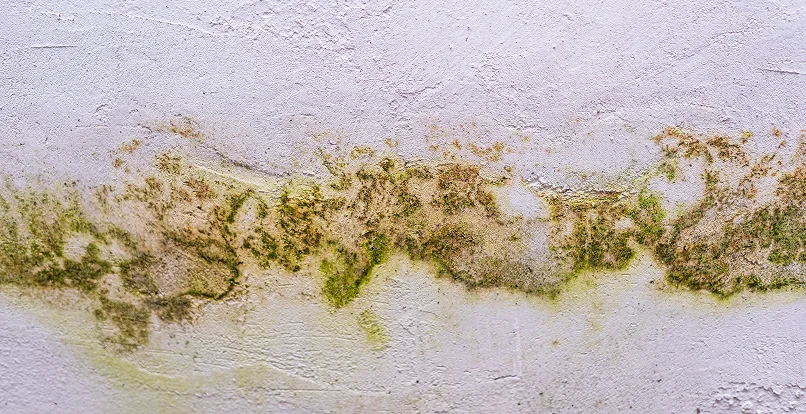
Water damage is a serious problem. The city’s subtropical heat and near-constant humidity mean that once water gets into your walls, floors, or ceilings, mold can start forming in as little as 24 to 48 hours. You don’t have time to wait.
Water damage in Miami is a serious problem. The city’s subtropical heat and near-constant humidity mean that once water gets into your walls, floors, or ceilings, mold can start forming in as little as 24 to 48 hours. You don’t have time to wait.
Key Takeaways
- Turn off the water source and cut power to affected rooms before doing anything else
- Document all visible damage with photos and video before you move anything
- Start drying within 24 hours to prevent mold from taking hold in humidity
- Call a licensed restoration team if water has reached structural materials or electrical systems
- Your homeowner’s insurance may cover the full cost of professional water damage repair Miami
- Never walk through standing water without confirming the electricity is off in that area
How Do You Know If Water Damage Is Serious?
Water damage is serious when it has reached structural materials like drywall, subfloor, insulation, or load-bearing wood. If you can see buckling floors, soft drywall, stained ceilings, or standing water above ankle height, you’re dealing with serious damage. Call professionals right away.
Minor surface water from a small leak can sometimes be handled yourself if caught immediately. But in Miami’s climate, anything that has been wet for more than a few hours is already a mold risk. It’s always better to get a professional emergency water damage Miami assessment.
The First 24 Hours After Water Damage at Home
The first 24 hours after Water damage in Miami determines how bad the outcome will be. Here’s what you need to do immediately and in what order. Don’t skip steps, and don’t wait until morning if this happened overnight.
Step 1: Shut Off the Water Source
Find the shutoff valve for whatever caused the water. If it’s a burst pipe, use the main water valve for your home. If it’s flooding from outside, you won’t be able to stop it, but you can prevent more from entering by sealing door gaps with towels or sandbags.
Step 2: Cut Power to Affected Rooms
Before you touch standing water, go to your breaker panel and shut off electricity to every room that has water in it. Standing water and live circuits are a lethal combination. Don’t rely on GFCI outlets to protect you here.
Step 3: Document All Damage With Photos
Walk through every affected area and take photos and videos of everything. Document the water line, damaged materials, wet floors, wet walls, and any visible cracks or warping. You’ll need this for your insurance claim, so don’t skip it even if you’re eager to start cleanup.
Step 4: Remove Standing Water Immediately
Use a wet/dry vacuum, mop, or towels to remove standing water as quickly as possible. If you don’t have equipment, bucket it out. Every gallon you can remove in the first hour reduces the total damage significantly. It’s exhausting work, but it’s worth it.
Step 5: Start Drying Within 24 Hours
Open windows if outdoor humidity is lower than indoor humidity. Run every fan you own and position them to push air across wet surfaces. Dehumidifiers are critical here, where outdoor air is often too humid to help on its own.
| Don’t Wait, Mold Starts Growing in 24 to 48 Hours Every hour counts after water damage. GuardPro Restoration’s certified team is available around the clock to protect your home and your health. Get Help Right Now! |
How Do You Dry Out a Water-Damaged Home Safely?
According to EPA’s guide to mold and moisture in homes, you dry out a water-damaged home safely by removing all standing water first, then using industrial-grade dehumidifiers and air movers to extract moisture from walls, floors, and ceilings over 3 to 5 days. You shouldn’t rely on household fans alone.
Drying is more complex than it looks. Moisture hides inside walls, under flooring, and in ceiling cavities where fans can’t reach. Professional water damage restoration Miami teams use moisture meters to track drying progress room by room, which is how they know when it’s truly dry, not just dry on the surface.
Surface-dry isn’t safe. You can have a floor that looks fine but has a wet subfloor underneath still feeding mold growth. That’s why the 72-hour mark matters: if the area isn’t confirmed dry by then, you’ll likely need professional intervention before mold sets in.
Read More About: What Stops Mold From Growing After Water Damage at Home?
What Hidden Damage Should You Look for After a Flood?
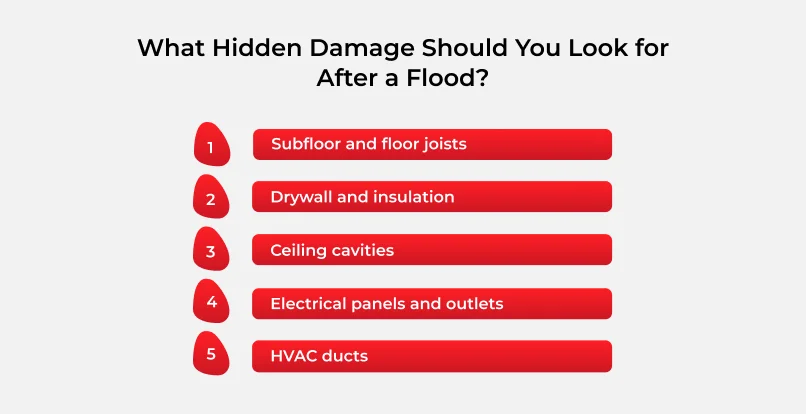
Water travels further than you think. Once it enters your home, it follows gravity and wicks into porous materials. You shouldn’t just check the visible wet areas. Check everywhere water might have traveled.
Subfloor and floor joists
Lift rugs and check for soft spots. Press on hardwood panels to feel for give.
Drywall and insulation
Press drywall to check for mushiness. Wet insulation in walls doesn’t dry on its own.
Ceiling cavities
Water above your ceiling can pool silently. Check for sagging or staining.
Electrical panels and outlets
Even if they look dry, a licensed electrician should inspect any outlet near water.
HVAC ducts
If water enters your ductwork, it can spread mold spores throughout your home every time the system runs.
Catching these hidden areas is one of the biggest advantages of using a Miami water damage restoration team rather than doing it all yourself. Professionals use thermal imaging cameras that see moisture inside walls without cutting into them.
| Get a Free Hidden Damage Assessment We use thermal imaging to find moisture inside walls, ceilings, and floors that you can’t see. Don’t assume dry means safe. Schedule Your Free Inspection! |
When Should You Call a Professional Restoration Team?
You should call a professional restoration team immediately if water has touched drywall, insulation, subfloor, structural wood, or any electrical component. You should also call if you can’t remove all standing water within a few hours, or if the affected area is larger than 10 square feet.
Homeowners often try to handle water damage themselves to save money. That’s understandable, but it frequently backfires. DIY drying without moisture meters and proper equipment leaves hidden moisture that feeds mold for weeks before you see or smell it. By then, mold remediation costs far more than the original restoration would have.
The IICRC (Institute of Inspection Cleaning and Restoration Certification) recommends calling a certified restoration contractor for any water damage that affects structural materials or covers more than a small surface area. Professional water damage restoration Miami is covered by most standard homeowner insurance policies, which means your out-of-pocket cost may be lower than you expect.
According to the Florida Division of Emergency Management, South Florida homeowners face flood damage risks 12 months a year due to the region’s hurricane season, seasonal rain patterns, and aging infrastructure. Don’t treat emergency water damage as a DIY situation when professional help is available and covered.
Read More About: How Do You Recover From Fire Damage the Right Way?
Conclusion
Water damage in Miami doesn’t give you time to hesitate. The steps in this guide exist because every hour you wait means more moisture absorbed into your walls, more mold risk, and a higher restoration bill. Shut off the source, cut the power, document everything, and start drying as fast as you can.
If the damage has reached structural materials, electrical systems, or areas you can’t dry in 24 hours, don’t try to manage it alone. You’ll spend more in the long run. GuardPro Restoration serves Miami-Dade County with certified technicians who respond 24/7, document damage for insurance, and get your home back to pre-loss condition. The sooner you call us, the less it costs.